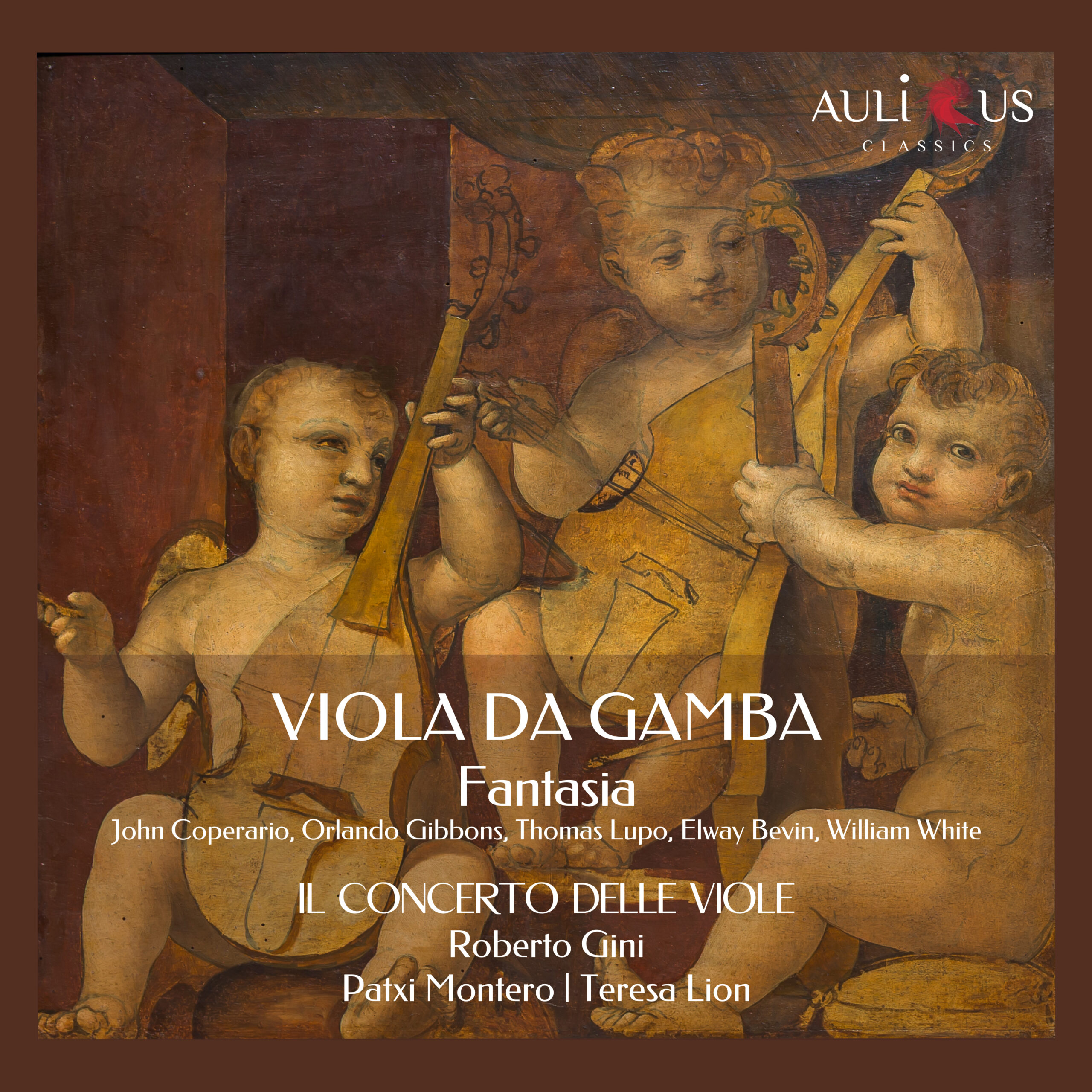
Description
For over five centuries, the lute was one of Europe’s most beloved instruments. From medieval courts to the late eighteenth century, it accompanied princes, poets, and musicians, becoming a true symbol of musical refinement. Its golden age came in the sixteenth century. During this period, players set aside the plectrum and began plucking the strings with their fingers, opening up new expressive possibilities: it became possible to play several voices simultaneously, weaving intricate and elegant harmonies. The instrument itself evolved—gaining a sixth course and extending its range to three full octaves. The lute repertoire expanded rapidly, thanks in part to the advent of music printing. In 1507, Ottaviano Petrucci published in Venice the first printed books for solo lute, featuring the music of Francesco Spinacino. Within months, collections by Giovan Maria and Joanambrosio Dalza followed. This points to a keen and widespread public interest —curious, engaged, and passionate.