
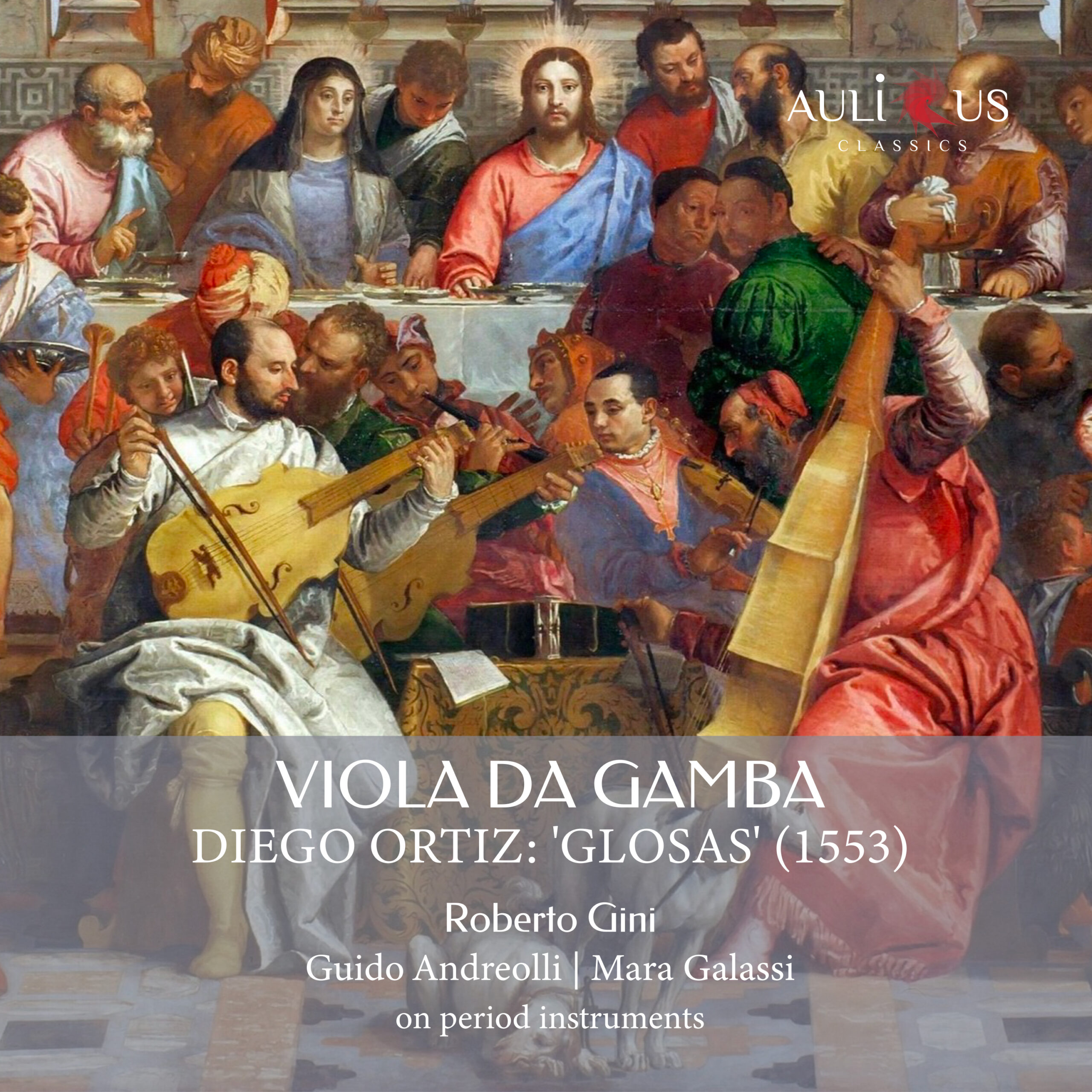
Description
If we do not place musical studies within the broader context of the History of Art (adding them to the figurative or fine arts such as rhetoric, poetry, architecture, theatre, as well as cinema), our perception of musical language remains limited, and our understanding of what we perform or listen to will be incomplete. This is especially true for distant historical periods such as the Renaissance and the early Baroque, when the close kinship of the sister-arts was decisive and should not be overlooked by us musicians. Within the European urban landscape, historical buildings of all types, both monumental and ordinary, have recognizable forms and proportions, but are characterised above all by different types of ornamentation. Without such features, walls are ultimately reduced to the flat vertical surfaces of a covered, multi-level structure, in both form and function; these, in turn, are subdivided into rooms connected by access passages, with openings to the outside world for air and light. Unadorned buildings, therefore, present constant functional features that make them similar, if not identical, to one another. They are distinguished, however, by the style with which such openings and apertures are designed and decorated in various eras, by the materials used, by the forms given to the openings in the walls (main doorways, internal doors, and windows), by the decorative ornaments, and by the mural adornments.

